
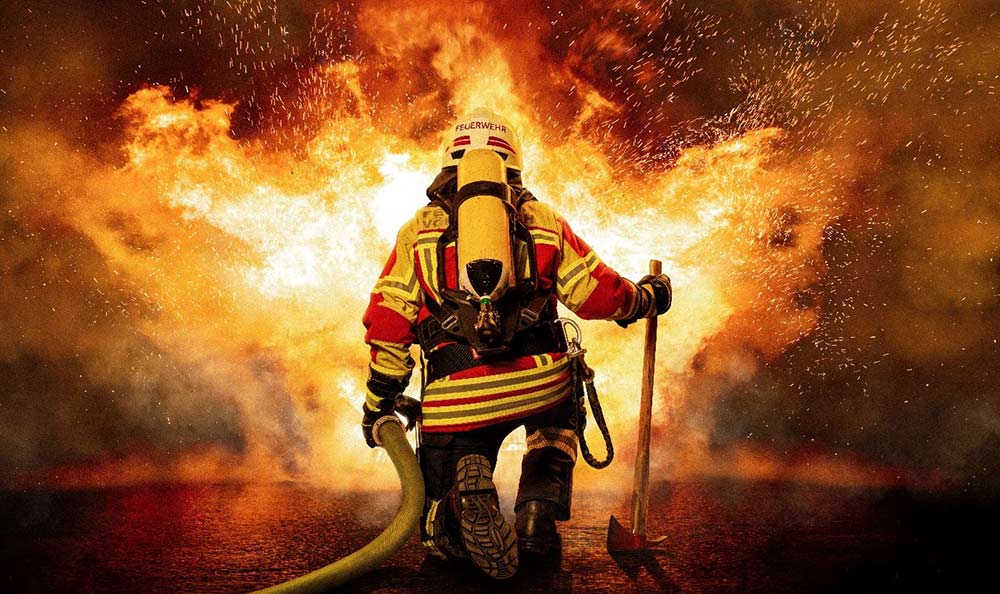
Fire departments and emergency medical services are known for equipping their personnel with high-quality firefighting gear. This protective clothing is specifically designed to provide maximum safety and comfort during operations. To ensure the durability and functionality of this gear, proper care is essential. The process of Washing Firefighter Uniforms requires special attention and expertise to protect the high-tech materials and meet the high hygiene standards.
Cleaning firefighter clothing begins with careful preparation of the garments. Before the actual wash cycle, it is important to remove all loose dirt and check the clothing for damage. It is recommended to wash protective clothing separately from other laundry to prevent cross-contamination.
For the Washing Firefighter Clothing Special detergents recommended by the manufacturers should be used, as they are gentle on the materials while still cleaning effectively. The water temperature and wash cycles must be set precisely to avoid damaging the delicate fibers. Typically, the optimal water temperature for firefighter clothing is between 30°C and 40°C.
After washing, it is crucial to dry firefighting gear properly. The clothing should be air-dried in the shade to avoid direct sunlight and high temperatures, which could damage the material. Tumble drying should only be done with caution and in accordance with the manufacturer’s specific care instructions.
Hygiene is essential
Emergency responders save lives every day—and put themselves in danger in the process. The work of firefighters has been classified as highly carcinogenic, which is why reliable protection through clean clothing is of the utmost importance. Clothing, respiratory protection equipment, and tools contaminated with PAHs must be cleaned to the highest hygienic standards before being put back into service. The right hygiene protocol is a crucial component of occupational safety for firefighters.
Laundry: Thorough, but gentle!
Preparing the laundry before washing prevents damage to the materials: Velcro fasteners and zippers should be closed and, ideally, covered. Accessories such as carabiners or an integrated rescue and retention system (IRS) should be removed before washing. To protect the fabrics during the subsequent wash cycle, the wash program must be adapted to the needs of the operational clothing. In any case, the manufacturer’s instructions should be followed. A pre-wash is recommended for heavily soiled items with soot, oil, or grease-containing substances. We recommend selecting the gentle wash cycle with a ratio of 15 seconds of drum movement to 15 seconds of drum rest. To ensure reliable results, the machine’s capacity should not exceed 75%. Both the high-speed washing machine ATOLL as well as the partition wall machine DIVIMAT.
Waterproofing only when necessary
If waterproofing is necessary, you must ensure that no detergent residue remains. For this reason, we recommend four rinse cycles before waterproofing. In general, waterproofing should always be done as a wash cycle at high temperatures, not as a spray treatment. Since some manufacturers treat the outer fabric of clothing with a long-lasting fluorocarbon (FC) finish, the manufacturer’s instructions must also be followed during waterproofing. A spray test can be used to determine whether waterproofing is necessary.
Quick drying for the next use
A drying cabinet is ideal for quick drying with minimal mechanical stress on the textiles. Sensor-controlled drying in a conventional dryer can damage protective clothing due to excessively high temperatures. Because residual moisture often remains after drying, firefighter clothing must be stored in a well-ventilated, dry place away from direct light. The TS 1300 Drying Cabinet It can hold up to eight sets and features clip-on holders for up to 21 pairs of boots or gloves. It can also gently dry up to 40 masks at a time. An alternative is the model available in five sizes Clothes Dryer T 232-246, which also dries protective clothing quickly with minimal mechanical stress. With the help of a dryer or drying cabinet, emergency responders can quickly have their protective clothing available again, which helps reduce the laundry load.
STAHL offers solutions tailored to individual needs for both in-house laundries at fire departments and commercial laundries. We are happy to assist you with our services for Consulting and Planning!